
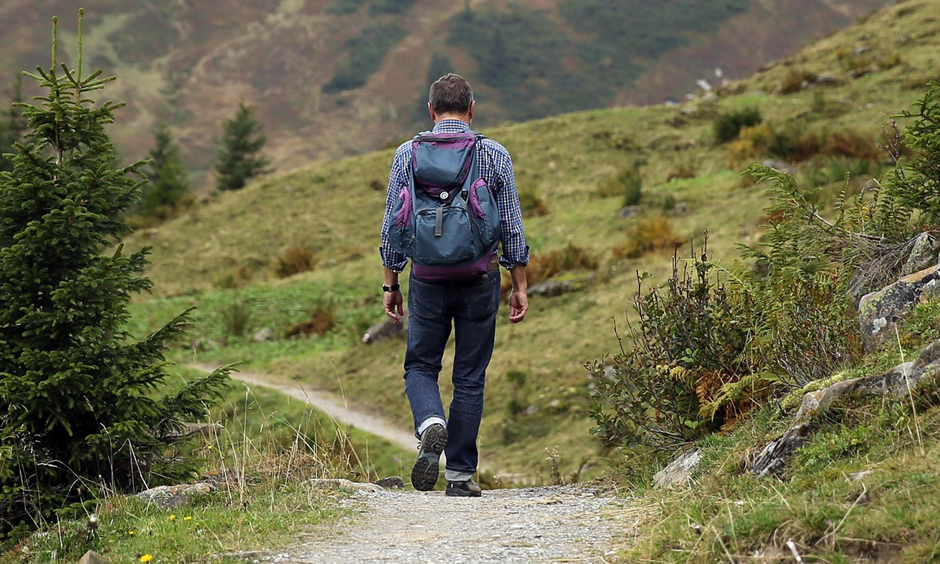
Trekking and hiking during the monsoon season spark mixed emotions among adventure lovers. For some, it’s the most magical time of year—mist-covered mountains, roaring waterfalls, emerald-green trails, and dramatic skies. For others, monsoon trekking raises serious safety and environmental concerns.
The truth lies somewhere in between. Monsoon trekking and hiking adventures can be breathtaking, but they demand heightened awareness, preparation, and responsibility. Understanding the risks, respecting nature, and planning wisely can turn a risky outing into a rewarding experience.
Let’s explore what makes trekking during the monsoon season both thrilling and challenging—and how you can approach it safely.
Safety First: Why Monsoon Trekking Can Be Dangerous
Safety is the foremost concern when it comes to trekking and hiking during the rainy season. Heavy rainfall dramatically alters mountain terrain, increasing risks that even experienced trekkers must not ignore.
1. Landslides and Unstable Terrain
One of the biggest dangers of monsoon trekking is landslides. Continuous rainfall saturates the soil, weakening slopes and causing sudden collapses. Mountain paths that seem stable in dry weather can become unpredictable and deadly during the monsoon.
Trekking routes in hilly and mountainous regions are especially vulnerable, making route selection and real-time updates absolutely critical.
2. Slippery Trails and Increased Fall Risk
Wet mud, moss-covered stones, and waterlogged trails turn simple hikes into technical challenges. Slippery trekking trails significantly raise the chances of slips, twisted ankles, and serious injuries. Downhill sections become particularly dangerous during monsoon hikes.
Even seasoned hikers can struggle to maintain balance, making proper footwear and trekking poles essential.
3. Dangerous River and Stream Crossings
Monsoon rains cause rivers and streams to swell rapidly. A shallow crossing in the morning can become an aggressive current by afternoon. Challenging river crossings are one of the leading causes of trekking accidents during the rainy season.
Crossing without expert guidance or safety equipment can be life-threatening.
4. Weather-Related Disruptions
Monsoon trekking also comes with logistical challenges, including:
- Flight and transportation delays
- Road blockages in remote regions
- Dense fog and cloud cover reducing visibility
Poor visibility not only affects navigation but also limits scenic views, sometimes diminishing the overall trekking experience.
Environmental Preservation: Why Nature Needs a Break

Beyond personal safety, monsoon season plays a crucial role in ecosystem regeneration and environmental conservation. Many trekking routes are intentionally restricted during this time—and for good reason.
1. Breeding Season for Wildlife
The monsoon marks the breeding season for many animal species. Increased human movement during this sensitive period can disturb wildlife, forcing animals away from nesting and feeding areas.
Closing trekking trails during monsoon months helps protect biodiversity, allowing wildlife to breed and raise their young without stress.
2. Ecosystem Restoration and Soil Recovery
Rainwater rejuvenates forests, grasslands, and alpine meadows. Reduced foot traffic during monsoon trekking downtime prevents soil erosion and compaction, allowing plants to regenerate naturally.
Healthy ecosystems result in stronger trails, richer vegetation, and more sustainable trekking experiences in the long run.
Preparing for Your Monsoon Trekking Adventure
If you’re determined to experience trekking and hiking during the monsoon season, preparation is non-negotiable. Smart planning can dramatically reduce risks and enhance your adventure.
1. Choose the Right Gear
Proper equipment can make or break a monsoon trek. Essential items include:
- Waterproof trekking shoes with strong grip
- Rain jackets and quick-dry clothing
- Waterproof backpacks and covers
- Trekking poles for stability
- Dry bags for electronics and essentials
Quality gear keeps you safe, dry, and comfortable on wet trails.
2. Stay Updated on Weather and Trail Conditions
Weather in the mountains can change rapidly during monsoon season. Always check:
- Daily weather forecasts
- Local trail conditions
- Government or forest department advisories
Avoid trekking immediately after heavy rainfall, when landslide risks are highest.
3. Hire Experienced Local Guides
Local trekking guides understand the terrain, weather patterns, and emergency protocols better than anyone else. Hiring an experienced guide during monsoon treks is strongly recommended, especially in unfamiliar regions.
Their knowledge can help you avoid risky routes and make quick decisions if conditions worsen.
4. Stay Flexible and Have Backup Plans
Unexpected trail closures, route changes, or weather disruptions are common during monsoon trekking. Build buffer days into your itinerary and always have alternative plans.
Flexibility ensures safety without turning your adventure into a stressful race against nature.
Embracing the Beauty of Monsoon Trekking

Despite the challenges, monsoon trekking offers rewards that no other season can match.
1. Lush Landscapes and Waterfalls
The monsoon transforms dry trails into vibrant green corridors. Hills burst into life, rivers roar with power, and waterfalls appear where none existed before. The visual appeal of monsoon hiking is unmatched.
2. Fewer Crowds, Deeper Connection
Many trekkers avoid the rainy season, which means quieter trails and a more intimate connection with nature. For those seeking solitude and mindfulness, monsoon trekking can feel deeply rejuvenating.
3. Raw and Authentic Adventure
Monsoon trekking strips adventure down to its raw essence—unpredictable, powerful, and humbling. It challenges your limits while reminding you of nature’s dominance, making every successful hike feel incredibly rewarding.
Responsible Trekking During Monsoon Season
Whether you trek during the monsoon or choose to wait for safer months, responsibility should always guide your actions.
- Follow park and forest department rules
- Respect local communities and customs
- Avoid littering and follow “Leave No Trace” principles
- Do not force entry into restricted or unsafe trails
Responsible trekking ensures these landscapes remain pristine and accessible for future generations of hikers and trekkers.
Final Thoughts
Trekking and hiking adventures during the monsoon season are not for the careless—but for the prepared, informed, and respectful adventurer, they can be truly magical. By prioritizing safety, respecting environmental needs, and planning wisely, you can experience the unmatched beauty of monsoon trekking without unnecessary risks.
Nature gives its best during the rains. It’s our responsibility to enjoy it thoughtfully, tread lightly, and return with memories—not damage.
Happy trekking, and stay safe on the trails 🌿🥾